November 20, 2026
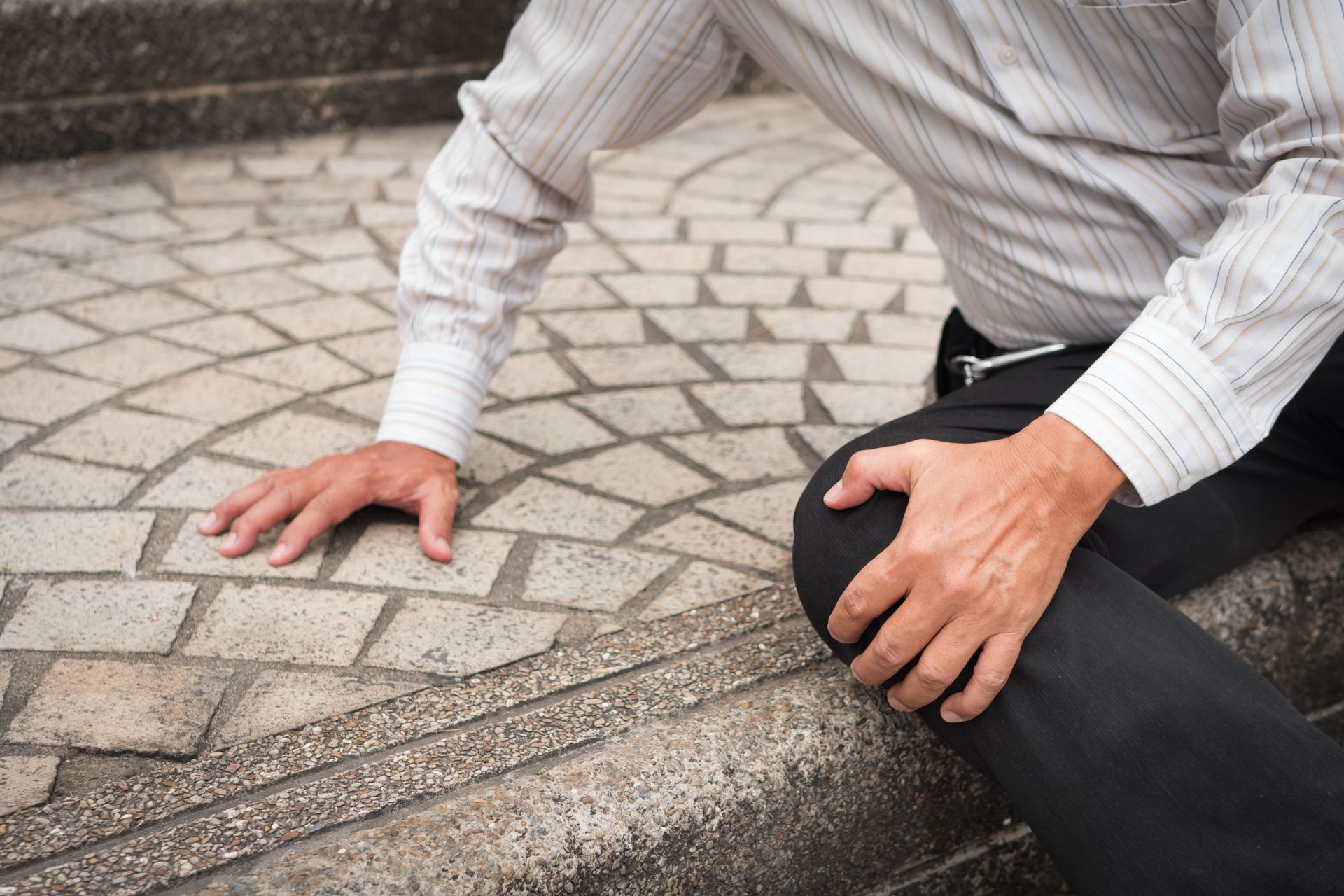
A slip, trip, or fall can happen almost anywhere, from a neighborhood sidewalk to a busy retail store. While some accidents are unavoidable, others result from neglected maintenance, unsafe conditions, or a property owner's failure to address known hazards. Understanding when a property owner may be held responsible is an important step toward protecting your rights and recognizing your legal options after an injury in South Jersey.
Understanding Property Owner Liability in South Jersey
Slip, trip, and fall accidents can lead to serious injuries, unexpected medical expenses, and financial difficulties. In South Jersey, property owners have a responsibility to maintain reasonably safe premises for visitors, customers, tenants, and other individuals. When a dangerous condition causes an injury, questions about negligence and property owner liability may arise. Understanding how personal injury law applies to these situations can help injured individuals recognize their legal options and help property owners understand their responsibilities.
According to Clio.com, personal injury and product liability filings surged 78% for the year ending March 31, 2024. This increase highlights the importance of understanding premises liability and the circumstances that may support a legal claim. Whether an accident occurs at a private residence, commercial establishment, or public property, several factors can influence who is responsible.
Understanding Liability Laws in South Jersey
State and Local Regulations
Property liability in South Jersey is influenced by state laws, local ordinances, and established legal principles. State regulations provide broad requirements for property maintenance and safety, while municipal rules may address specific concerns involving sidewalks, snow removal, building conditions, and public access.
Property owners should understand the regulations that apply to their locations and property types. Failing to follow applicable safety requirements can contribute to dangerous conditions and potential liability. The specific circumstances of an accident also matter when determining whether an owner failed to meet their legal obligations.
The Role of Negligence
Negligence is a central consideration in slip, trip, and fall claims. Generally, an injured person must establish that the property owner owed them a duty of care, failed to meet that responsibility, and caused an injury through that failure. The resulting damages may include medical expenses, lost income, and other losses.
For example, a business owner who knows about a leaking pipe but fails to address the resulting slippery floor may face a negligence claim if someone falls and suffers an injury. Evidence showing how long the hazard existed and whether the owner knew or reasonably should have known about it can influence the outcome. These details are important when evaluating how personal injury law applies to a particular accident.
New Jersey also follows a modified comparative negligence system. An injured person may still recover compensation when partially responsible for an accident, provided their percentage of fault does not exceed the applicable legal threshold. Their compensation may be reduced according to their share of responsibility. These rules make the circumstances surrounding an incident particularly important in personal injury law.
Understanding the Duty of Care
Property owners generally have a responsibility to take reasonable steps to maintain safe premises. The specific duty can depend on the visitor's relationship to the property, the owner's knowledge of potential hazards, and the circumstances surrounding the visit.
Customers and other business visitors are generally owed a duty that includes reasonable inspections and efforts to address dangerous conditions. Social guests may also be entitled to warnings about known hazards. The legal responsibilities involving trespassers differ, although certain exceptions may apply, particularly when children are involved.
Regular inspections, timely repairs, appropriate warning signs, and accurate maintenance records can help property owners demonstrate reasonable safety practices. These precautions also reduce the likelihood of preventable accidents.
Examining Different Types of Property Liability
Residential Property Liability
Homeowners must take reasonable precautions to protect visitors from dangerous conditions on their properties. Potential hazards include damaged stairs, uneven walkways, loose railings, and poorly maintained driveways. Landlords also have responsibilities involving rental properties, including addressing maintenance problems and keeping shared areas reasonably safe.
In apartment complexes and other multi-unit properties, hallways, staircases, parking areas, and entrances require ongoing attention. Property managers should establish consistent inspection and maintenance procedures to identify hazards before someone gets hurt.
Commercial Property Liability
Commercial properties often experience substantial foot traffic, creating additional opportunities for accidents. Retail stores, restaurants, office buildings, and industrial facilities must address hazards that could endanger employees, customers, contractors, and visitors.
Common concerns include spills, cluttered walkways, damaged flooring, inadequate lighting, and improperly maintained staircases. Business owners should establish procedures for identifying and correcting these problems promptly. Clear communication between property owners, managers, and maintenance personnel also helps prevent overlooked hazards.
Public Property Liability
Public property accidents may involve government entities responsible for maintaining streets, sidewalks, parks, and other shared spaces. Damaged pavement, broken steps, inadequate lighting, and missing warning signs can create dangerous conditions for pedestrians.
Claims involving government property can be particularly complicated because New Jersey's Tort Claims Act establishes specific requirements and limitations. Injured individuals may face strict notice deadlines and other procedural rules. Understanding these requirements is an important part of evaluating potential claims under personal injury law.
Private and Public Space Responsibilities
Determining whether an accident occurred on private or public property can influence which legal rules apply. Private property owners generally have responsibilities involving areas under their control, while government entities oversee designated public spaces. However, ownership and maintenance responsibilities are not always straightforward, particularly around sidewalks, shared entrances, and commercial developments.
Identifying the responsible party is an important early step when evaluating an injury claim. Property records, maintenance agreements, photographs, and witness statements may help establish who controlled the area where the accident occurred.
Identifying Common Causes of Slips, Trips, and Falls
Poor Lighting Conditions
Insufficient lighting can make it difficult for visitors to identify obstacles, changes in elevation, and other potential hazards. Dark staircases, poorly illuminated parking lots, and shadowed walkways increase the likelihood of falls.
Property owners should regularly inspect lighting systems and replace malfunctioning fixtures. Outdoor entrances, pedestrian pathways, and frequently used common areas deserve particular attention, especially during evening hours.
Wet or Slippery Surfaces
Spilled beverages, leaking pipes, freshly cleaned floors, and rainwater can create slippery surfaces. During colder months, snow and ice introduce additional risks around entrances, sidewalks, and parking areas.
Property owners should respond promptly to spills and leaks, use appropriate warning signs, and establish reasonable snow and ice removal procedures. Documenting inspections and maintenance activities can also help demonstrate that safety concerns were addressed.
Uneven Flooring and Damaged Walkways
Cracked pavement, loose floorboards, torn carpeting, and uneven flooring can cause visitors to trip. These problems may develop gradually, making routine property inspections especially important.
When repairs cannot be completed immediately, property owners should consider restricting access or providing appropriate warnings. Ignoring visible damage can increase the likelihood of an accident and complicate subsequent liability disputes.
Protecting Property Owners and Injured Individuals
Documenting Accidents and Preserving Evidence
Evidence plays an important role in determining what caused a fall and whether negligence contributed to the injury. Individuals involved in an accident should photograph the surrounding conditions, identify potential witnesses, and report the incident to the appropriate property representative.
Medical documentation, incident reports, maintenance records, and surveillance footage may also help establish what happened. Injured individuals should seek appropriate medical attention and avoid assuming that an injury is minor simply because symptoms initially seem manageable.
Understanding Legal Options
Property liability claims can involve complicated questions about negligence, ownership, comparative fault, and available compensation. An attorney can review the circumstances, identify potentially responsible parties, gather relevant evidence, and explain applicable filing deadlines. Understanding these considerations is an important part of navigating personal injury law after a property-related accident.
Personal injury law also addresses how damages are evaluated. Depending on the circumstances, an injured individual may seek compensation for medical treatment, lost wages, pain and suffering, and other legally recognized losses. Each claim requires an individualized assessment, and potential outcomes depend on the specific facts and applicable laws.
When an injury occurs because of a potentially unsafe property condition, understanding the legal options available is important. The Law Offices of David K Cuneo can help individuals in South Jersey evaluate their circumstances and understand their rights. Speaking with an attorney can provide clarity about the claims process, applicable deadlines, and possible next steps under personal injury law.